
FREE LIVE MASTERCLASS
Your Best Q4 Starts With Your People
Your most capable people haven't gotten less capable. Under pressure, they can lose access to the capability they already have.
A live session for leaders on what happens beneath performance when pressure rises — and how to help people recover clarity, confidence and choice before the cost becomes visible.
Think of your most decisive person. Under normal conditions, they call it fast and move on.
Now picture them two months into Q4. Deadlines are tighter. Priorities are shifting weekly. Suddenly they're second-guessing calls they used to make on instinct. They haven't gotten less capable. They've lost access to their capability, right when it counts most.
Date: Wednesday, September 30, 2026
Time: 12:30 PM EST / 5:30 PM BST
Host: Wondersource
Location: Live on Zoom (Recording sent to all registrants)

Who Is This For?
CEOs, CHROs, COOs & People Leaders
The Real Costs Start Before Burnout
Pressure doesn’t have to be a problem. The problem is what happens when stress, uncertainty and emotion accumulate without enough space to be processed. They don't simply disappear. Over time, they reduce the capacity available for the next challenge — affecting execution, communication, and whether people flag a problem early or sit on it. Under pressure, people default to what's familiar, not what's most effective: overthinking, overworking, avoiding the hard conversation, taking on too much, or going quiet. Many of these patterns are familiar long before we're aware of them. Because they feel automatic, we mistake them for personality — rather than recognising them as patterns we can change.
Why Capable People Get Stuck Under Pressure
Under pressure, people default to what's familiar, not what's most effective. Some overthink, trying to eliminate uncertainty before acting. Some overwork, using effort as a stand-in for safety. Some avoid the hard conversation or decision. Some take on too much rather than trust others with it. Some go quiet, losing access to their own voice. Each of these starts as protective. Under sustained pressure, each one has a cost — slower decisions, bottlenecks, compounding problems, burnout by proxy, and silence that gets mistaken for alignment.
Four Capabilities that Create More Change
We'll explore four capabilities that help people create more choice under pressure:
Awareness — recognising what's happening before the pattern takes over
Flexibility — accessing more than one possible response
Self-leadership — staying connected to agency and judgement, not just information
Recovery — restoring capacity, rather than relying on constant overdrive
More choice means more access to who people already are underneath the pressure.
What Shifts
Bracing becomes capacity to actually receive feedback and support.
Proving, earning and striving becomes trusting judgement and leading with less over-exertion.
High-functioning survival becomes grounded self-leadership.
Hyper-productivity becomes focused, intentional work that moves the needle.
Burnout-driven achievement becomes sustainable performance and growth.

What We’ll Cover in This 45-Minute Session

1. What pressure actually does to performance — the effects on attention, decisions and behaviour that aren't always obvious
2. The patterns that show up under pressure — and what's happening underneath them
3. The gap between knowing and doing — why training alone doesn't change behaviour under stakes
4. Four capabilities that create more choice — Awareness, Flexibility, Self-Leadership, Recovery
5. A practical reset — a short body-based practice for high-pressure moments
Meet Your Host
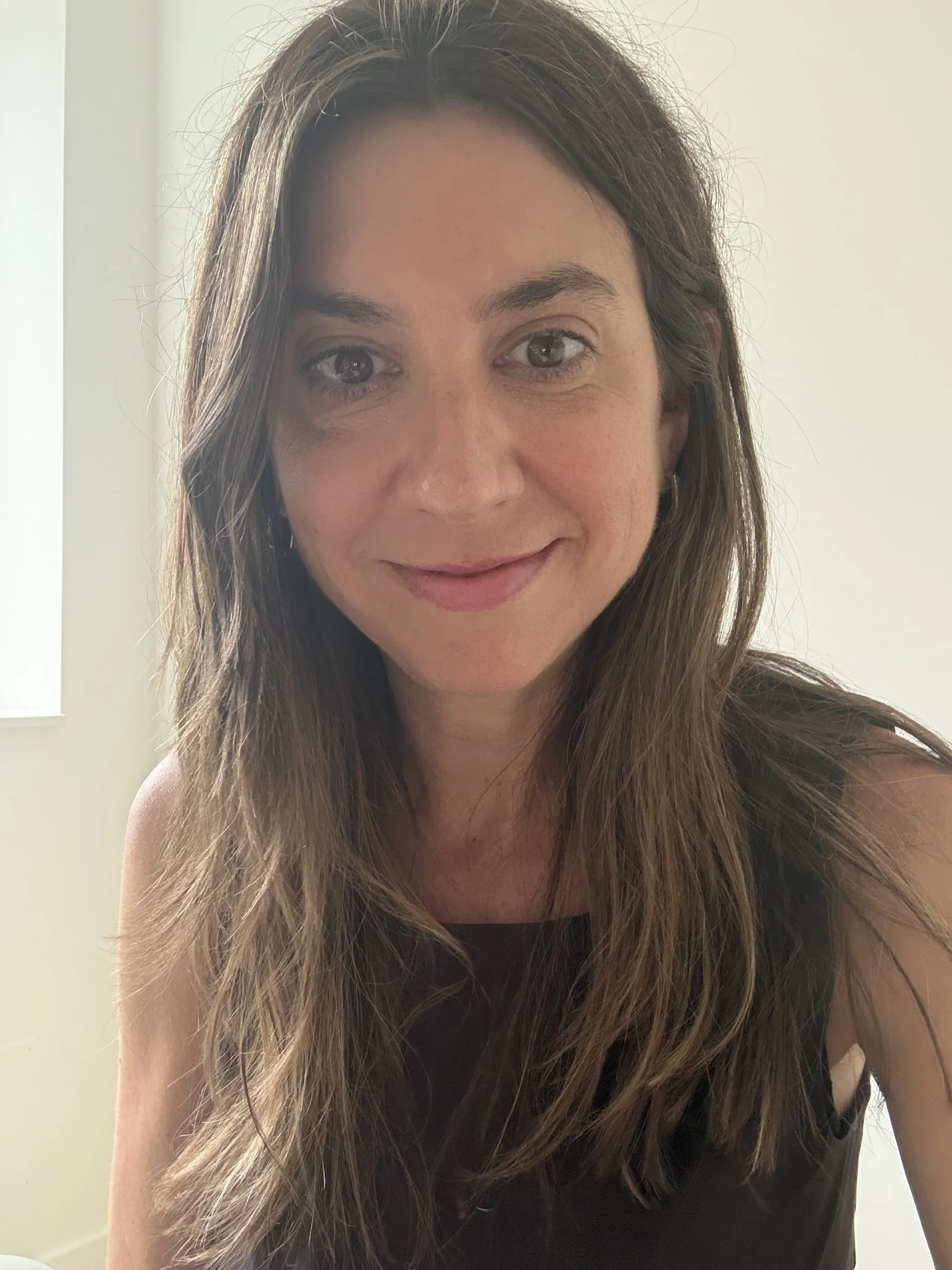
Michelle Velan
Founder & CEO, Wondersource
Michelle works at the intersection of executive leadership, psychology, neuroscience and somatic practices.
After experiencing the effects of sustained pressure herself while working as a VP of Sales in a fast-growing AI company, she became interested in what sits underneath behaviour — and why traditional approaches don't always create lasting change.
Today, she brings that perspective to Wondersource: helping organisations develop the human capabilities that allow people to navigate pressure, change and growth more effectively.
Why Now?
Burnout is expensive, but by the time it's visible, the cost has usually been accumulating for months in slower decisions, preventable mistakes, and people quietly doing less than they're capable of.
Whatever's already showing up on your team is about to get louder. Q4 doesn't create new problems — it turns the volume up on the ones you've got.